Lot No: 265
Auction:Auction #8
Material: Silver
Period: Mughal
Date: 20-Sep-2025
Location: Lucknow
Estimated Price: ₹ 200000 - ₹ 250000
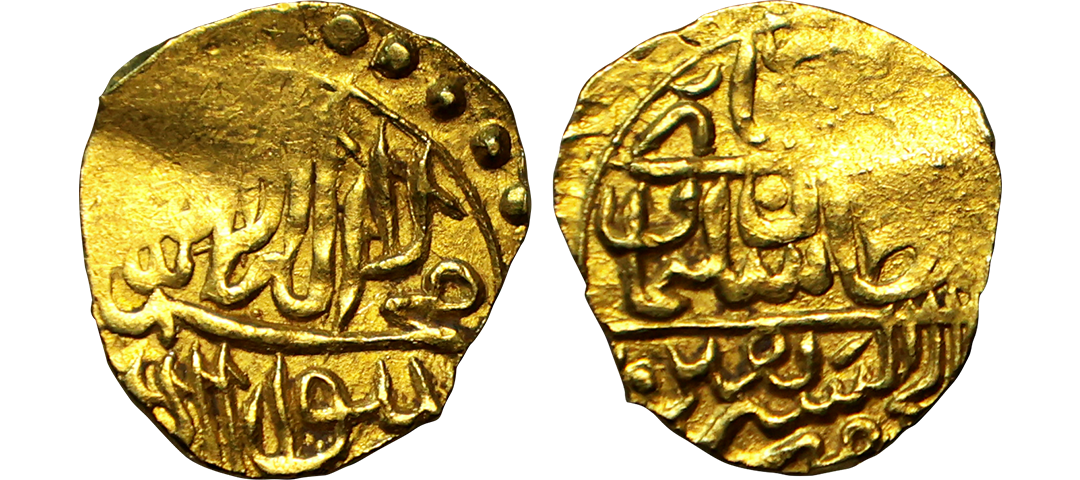
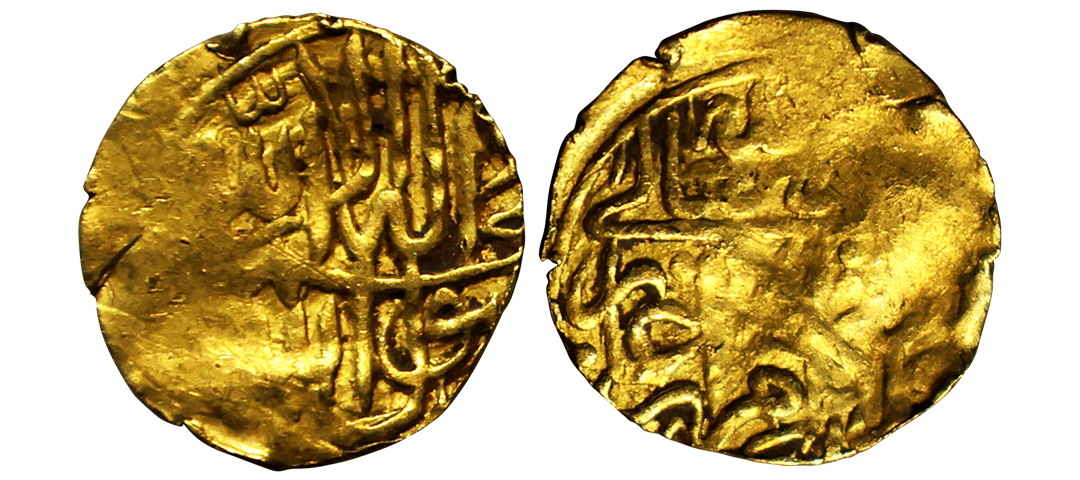
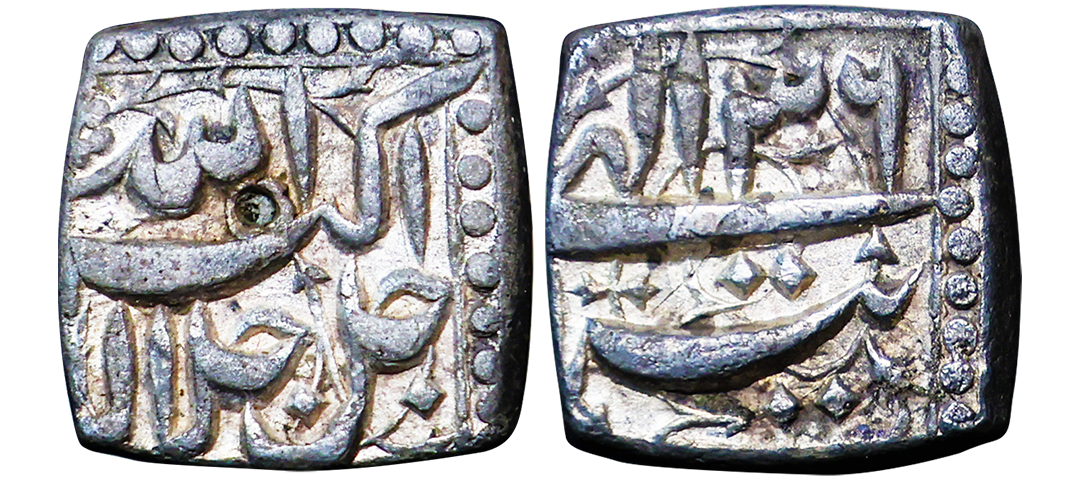
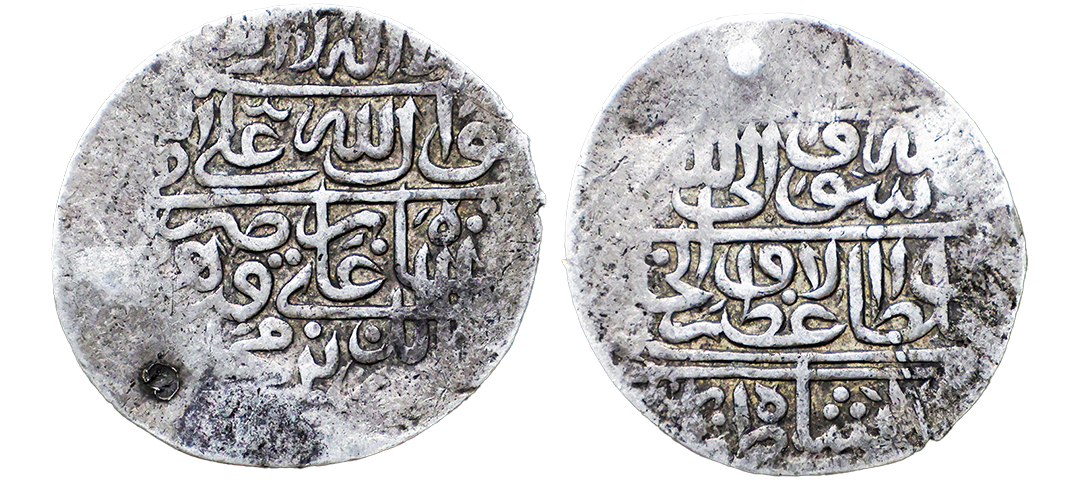
Humayun (In exile, 1540-1555 AD), Qandahar Mint, Silver Shahrukhi (Misqal/Mithqal), Jointly issued with the name of Tahmasp I Safavid of Iran, Obv: Arabic legend Shi'it version of the Kalima (La Ilaha Illallah) Muhammad Rasulullah Ali Wali Allah, with the name & titles of Tahmasp "al-sultan-ul-azam wa'l Khaqan (al-mukarram Shah Tahmasap Al-Husaini)" partly visible, Rev: Arabic legend Shi'it version of Kalima Shahada (La Ilaha Illallah) Muhammad Rasulullah 'Ali Wali Allah, with the full name of "(Muhammad Humayun Ghazi bin) Zahir-ud-din Muhammad (Babur) Badshah Ghazi, Zarb Qandahar" partly visible, 4.80g, (Ref. JONS # no 114), some usual area of flatness, about very fine, Exceedingly Rare. Similar Coin Sold in Marudhar Arts Auction No. 45 for 5.60,000. Below Note by Marudhar arts. Note: Humayun, after being Defeated by Sher Shah Suri, sought refuge at the Persian Shah's court in 950 AH (1543 AD). During his two-year exile, he sought Shah Tahmasp's support to reclaim his throne in India. In exchange for assistance, Humayun agreed to convert to the Shia sect of Islam and promised to cede Qandahar upon its conquest. Upon the successful capture of Qandahar, tensions arose with the Persian garrison, leading Humayun to personally lead the expulsion of the Persians. Despite potential friction with Shah Tahmasp, Humayun appointed Behram Khan, a Shia general and future mentor to Akbar, as Governor of Qandahar. Diplomatic ambassadors were dispatched to reassure Shah Tahmasp of Behram Khan's loyalty, after dismissing the Shah's envoy, Bidagh Khan, for disobedience. To strengthen the alliance, Humayun minted coins in Shah Tahmasp's name with Shia inscriptions. These coins, likely minted shortly after Qandahar's recapture in 1545 AD, were timed to coincide with the arrival of Humayun's envoys and letters to the Shah's court, anticipating the Shah's positive response. The issuance of these coins served as a strategic diplomatic move by Humayun to secure Persian support in his quest to reclaim his Indian territories.
Lot is Closed